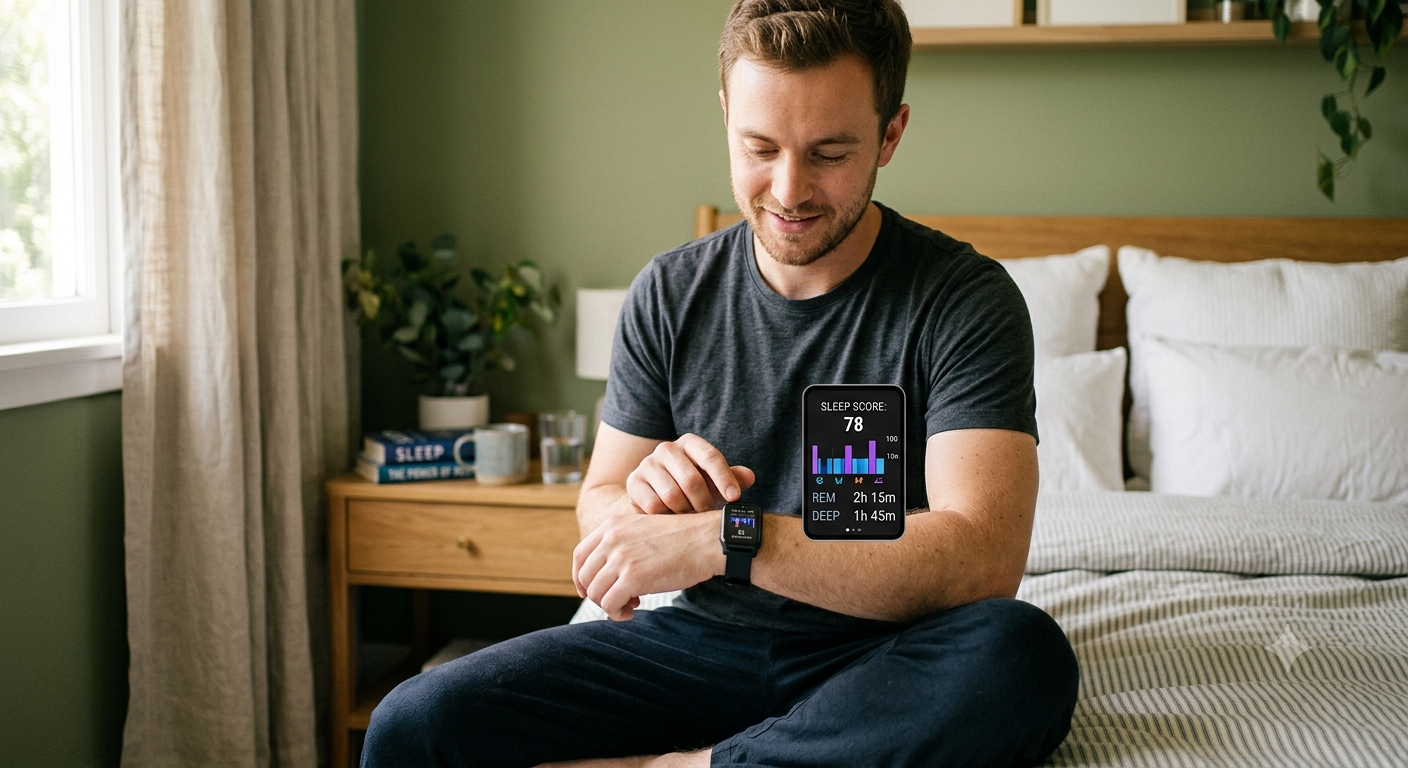
Getting enough good sleep makes a huge difference it keeps you healthy, sharp, and feeling your best. Still, a lot of us find ourselves tossing and turning at night, not sure why we wake up groggy. That’s where wearable devices come into play. Smartwatches and fitness trackers now keep tabs on your sleep and hand you a sleep score every morning, giving you a window into your nights.
But that number isn’t just there to make you feel guilty it actually tells a story about your habits and points out what you can tweak. So, let’s break down what a sleep score really means, and how you can use your wearable’s data to start sleeping better.
What Is a Sleep Score?
A sleep score is basically your sleep, boiled down to a number by your device. Most trackers look at things like:
- How long you actually stay asleep
- How much deep and REM sleep you get
- If you stick to a regular bedtime and wake-time routine
- Heart rate patterns while you sleep
- How much you toss and turn
- How your body recovers overnight
Different brands do their own math, but the idea is the same: your score is a snapshot of how well you’re sleeping, and it nudges you toward better habits.
How to Improve Your Sleep Score
- Stick to a Regular Sleep Schedule
Try to go to bed and wake up at the same time every day, even on weekends. Your body loves routines, and wearables usually reward that rhythm with better scores.
- Get 7–9 Hours of Sleep
Most adults need between seven and nine hours each night. If your tracker keeps telling you you're getting too little, bump up your bedtime until you’re hitting that sweet spot.
- Cut Back on Screens Before Bed
Scrolling through your phone in bed? That blue light makes it harder for your brain to wind down. Put away screens at least an hour before you plan to sleep, and you’ll probably nod off faster.
- Set Up a Sleep-Friendly Bedroom
Your environment matters. Make your bedroom cool, dark, and quiet. Blackout curtains, a good pillow, and a little less noise can turn things around.
- Avoid Caffeine and Heavy Dinners Late at Night
Caffeine can stick with you for hours, and big meals right before bed make falling asleep a challenge. Keep caffeine to the morning or early afternoon, and don’t eat heavy right before bed.
- Move Your Body
Regular exercise is one of the best things you can do for sleep just don’t do it too close to bedtime. People who stay active tend to fall asleep faster and go into deeper sleep.
- Manage Stress
Everybody deals with stress, but if you bring it to bed, it’ll keep you up. Try a short meditation, breathe deeply, or jot down your thoughts in a journal before you lie down.
- Check Wearable Insights
Your device probably shows you more than just last night’s score. Look at the trends and read the tips it suggests. Small changes add up.
- Watch the Alcohol
A nightcap might help you doze off, but alcohol usually messes up your sleep later on and lowers your score. Cutting back can really make a difference.
- Track Progress over Time
Don’t obsess over the number each morning. Instead, look at the bigger picture. With regular use, your device helps you spot what’s working and what’s not, so you can keep improving.
Why a Better Sleep Score Matters
When you start sleeping better, you’ll notice it. You’ll have more energy, focus better, recover faster physically, get sick less often, and just feel happier and more productive. Those little tweaks you make? They can pay off in big ways for your mind and body.
Conclusion
Wearables have really changed how we approach sleep. They let us see the details and give us clear reminders of what helps (and hurts). The truth is, you don’t have to overhaul your life. Small shifts like going to bed around the same time every night, putting your phone away, staying active, and making your bedroom cozy can push your sleep score up and help you feel better day after day.
The number matters, but it’s just a tool. The real goal is to give your body the rest it needs so you can live well. Let your wearable guide you, stick with the habits that help, and before you know it, sleeping well will become second nature.
Discussion (0)
Leave a Reply
No confirmed discussions contributed yet. Be the first to start the thread!